Newsletter Block
This newsletter signup form needs a storage option. Edit the block and enter a storage location via the Storage tab.
مريم الخطيب
٢٩.١٠.٢٠٢٥
by Maryam Al-Khateeb
Translated by Wiam El-Tamami
29.10.2025
scroll down for English on mobile
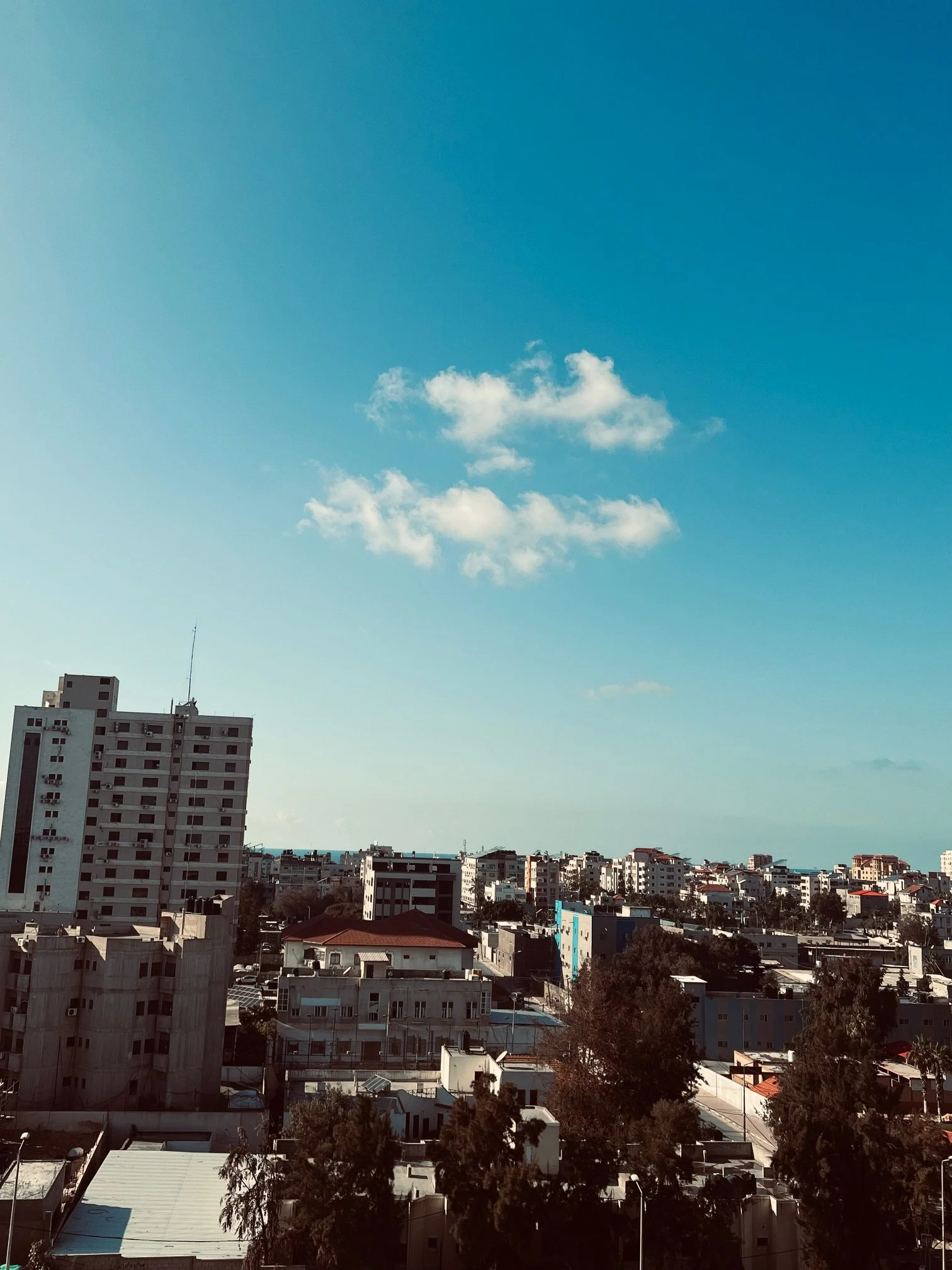
.الآن أبعد من أي وقتٍ مضى
.المسافة بيني وبين بيتي لم تعد تُقاس بالكيلومترات، بل بما تبقّى منّي وأنا أحاول أن أتذكّر نوافذ غرفتنا، أو لون الباب، أو كم شجرة كانت تقف قرب الحائط حين غادرناه
أنا الآن على الضفة الأخرى من الجغرافيا، حيثُ لا شيء يدلّني سوى الخرائط
.لم يعد بيني وبينه إلا ما تُبقيه الذاكرة على قيد الحياة: ظلّ نافذة، صدى الوداع، ورائحة الأرض المبتلّة بعد القصف.
،أبحث عن بيتي فلا أجده
.أكتب اسمه في الخريطة، فيظهر اسمه بلغة لا أعرفها
.أحاول أن أقترب منه، فتُخرجني الخرائط من المعادلة، كأنني دخيل، كأنني وهم
.أنا الذي كبرتُ فيه، ونامت أمي على عتباته، ودفن أبي حذاءه الطيني في ترابه
.نجوت من موت لكنني حملت رماد المدينة في خلاياي
،نعيش الآن في مكان لا يعرف تفاصيلنا
”.نحن الغائبون عن كل نشرة جوية، كل ميزانية دولية، كل إعلانٍ عن “العالم الحر
.نحن خارج الحدود، خارج الاعتراف، خارج اللغة
.لا أحد يُدرك أن بين الذاكرة والمنفى مسافة تشبه القبر
،نستيقظ كل يوم وفي القلب حجر
”.وننام على رائحة لا يشمّها سوانا: رائحة البيت البعيد، الذي لم يعد يُدعى بيتًا، بل “منطقة عسكرية
هل أخبركم كيف أصبح البيت جريمة؟
كيف صار اسم الحارة، واسم المسجد، وحتى اسم أبي… شيئًا لا يصلح للوثائق؟
.أن تقول “أنا من غزة” كأنك تُشهر سكينًا
.أن تفتخر بشرف النجاة، كأنك تهدّد عالمهم المتخم بالنسيان
.في الليل، أكتب رسالة للبيت
.”أقول له: “أعدني إليك، ولو على هيئة ظلّ
.”أقول له: “سامحني لأنني نجوت
”أقول له: “هل ما زالت الشجرة قائمة؟ هل القطط تنام تحت السيارة؟ هل الحارة تعرف اسمي؟
.لكن البيت لا يرد
.فهو الآخر صار ناجيًا من الإبادة
،الخرائط لا تعترف بالحنين
.لكننا سنكتبه نحن
نحن الذين خرجنا من الزمن و الموت
.اضطررنا لرسم الخريطة بدموعنا
.في المنفى، الحنين عمل شاق
.تقاوم كل يوم نداءًا داخليًا يريد العودة
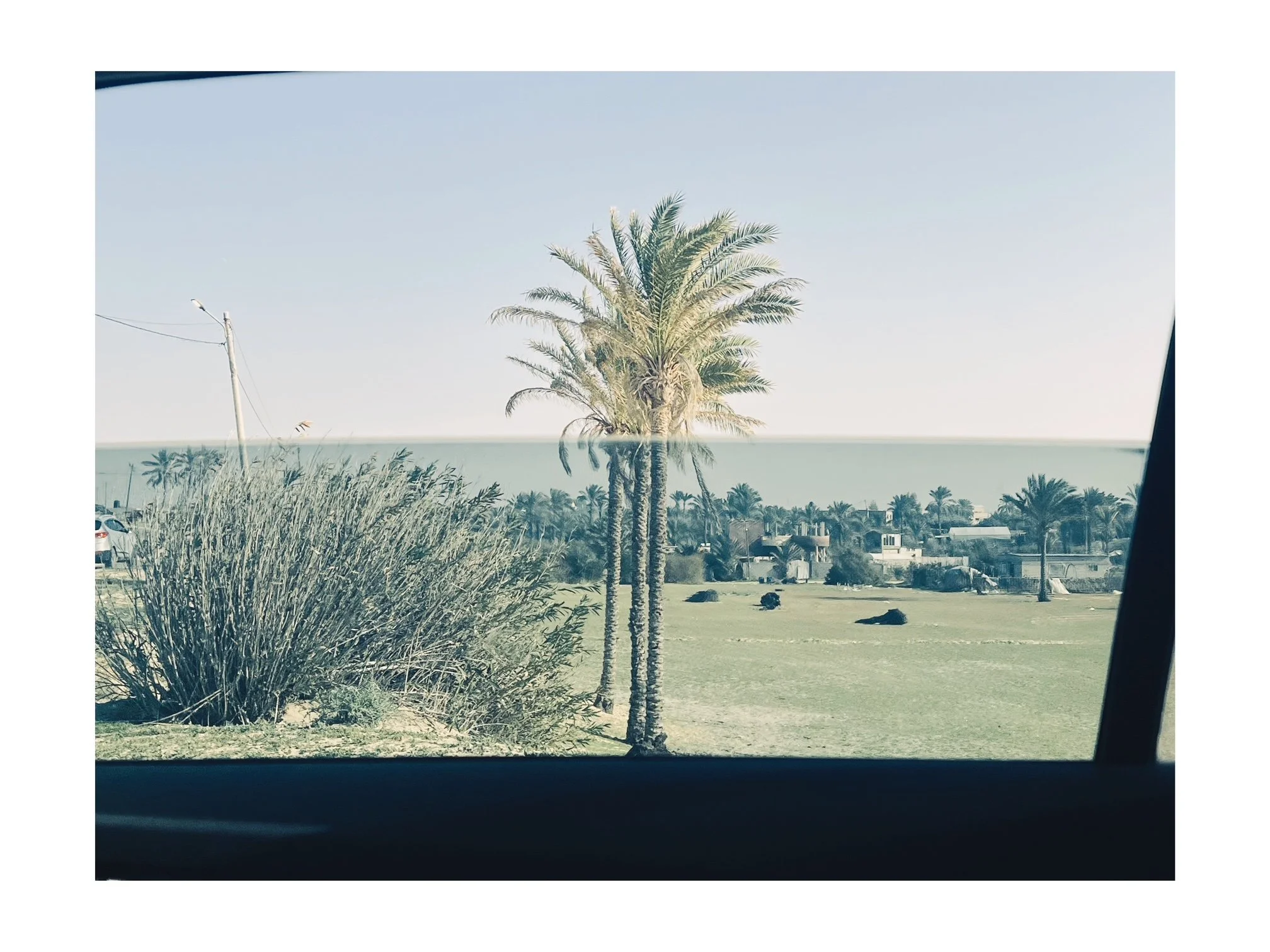
تتجنب الصور، لتحترق
تتجنّب الذكريات لتنهار
.أكتب اسم شارعنا على خرائط جوجل فلا أراه
.أبحث عن مدرستي، عن المقبرة، عن البيت الذي كنت أظنّه لا يموت… فلا يظهر
.تُريني الخريطة مستوطنات
.تُريني أسماء لا تشبه لغتي
”.تُريني واقعًا مزوّرًا، وتطلب مني أن “أتأقلم
لكن كيف أتأقلم وأنا لم أدفن موتاي؟
من يبكي في زمن القصف؟
.نحن لا نحزن، نحن نؤجّل الحداد
.نُخزّنه كما نخزّن الطعام، ونأمل أن نفتح بابه لاحقًا، حين ننجو حقًا
.لكن النجاة، حين تكون ناقصة، تتحوّل إلى شبح يرافقك
.تعيش بجسدك، لكن قلبك محاصر في بيت لم يعد موجودًا
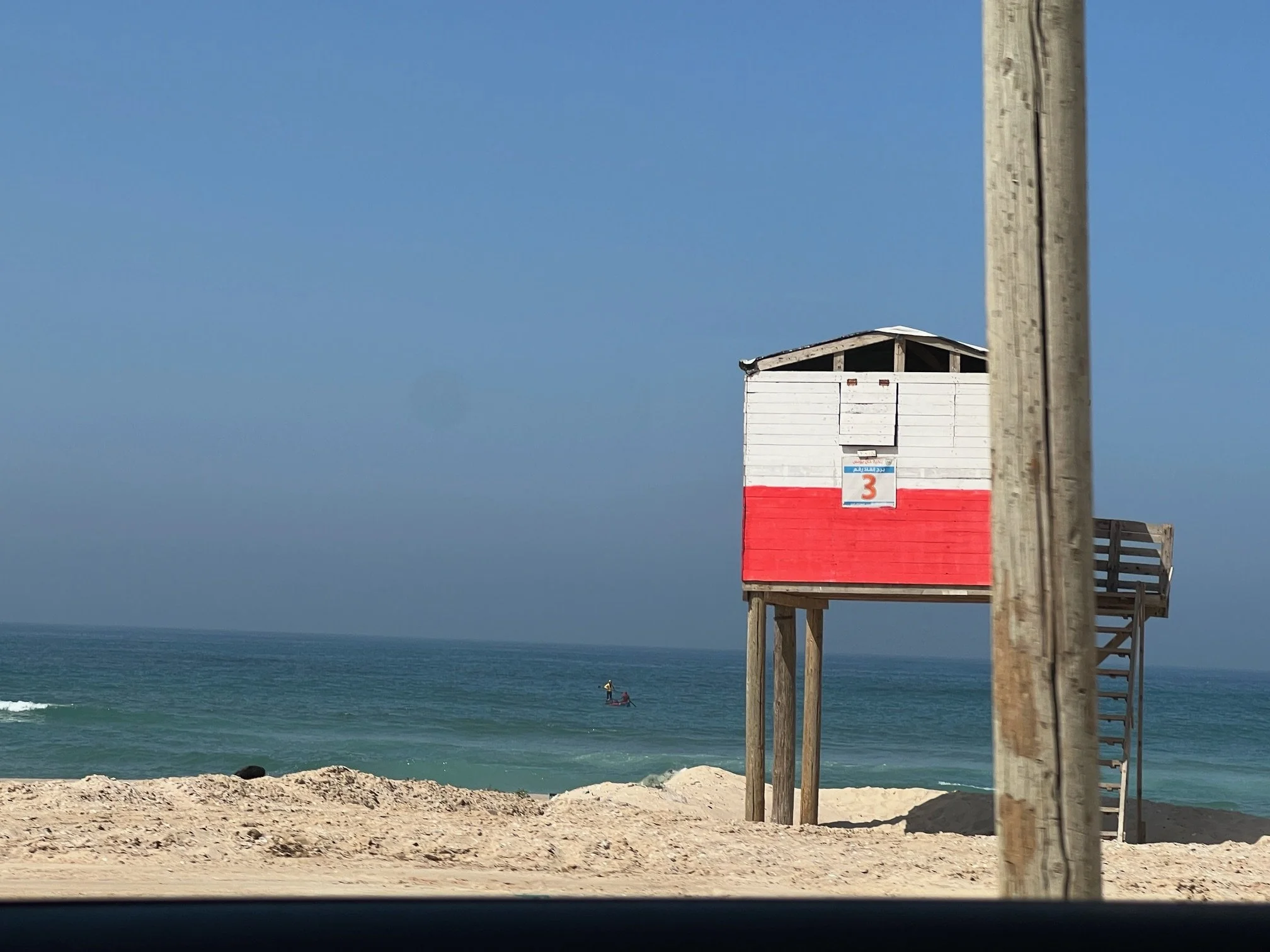
Farther now than ever before.
The distance between me and my home no longer
measured in kilometers, but in whatever is left of me as I try to remember
the windows of our room, the color of the door, how many trees
stood along the wall as we left our home.
I’m now on the other bank,
guided by nothing but maps.
Nothing left between me and home
but the traces memory is working to keep alive:
the shadow of a window,
the echo of goodbye,
the stench of wet earth
after the bombing.
I look for my home but I can’t find it.
When I enter it into the map, its name appears
in a language I don’t understand.
When I try to inch closer, the maps
remove me from the equation—
as though I’m an intruder,
as though I’m an illusion.
But I grew up there.
My mother slept on its doorstep,
my father buried his sandals
in its earth.
Yes, I escaped death, but I carry the ashes
of the city in my cells. We now live in a place
that knows little about us.
We are absent from the weather report, from the state budget, from every announcement about the ‘free world.’
We are beyond borders, beyond recognition, beyond language.
Nobody realizes that between memory and exile is a distance
approximating a grave.
We wake up every morning with a rock in our hearts,
and we fall asleep to a fragrance only we can smell:
the smell of a distant home
that is no longer called our home,
but a ‘military zone.’
Would you like me to tell you about how home becomes a crime?
How the name of the alleyway, the name of the mosque, and even my father’s name have become words that can no longer be mentioned in documents?
To say “I’m from Gaza” is like brandishing a knife.
To be proud of survival is like threatening their overfed world
with forgetting.
In the night, I write a letter to my home.
I say: ‘Bring me back to you, even in the form of a shadow.’
I say: ‘Forgive me for surviving.’
I say: ‘Is the tree still standing? Are the cats sleeping under the car? Does the alleyway know my name?’
But my home does not respond.
It, too, has become a survivor of the genocide.
Maps do not recognize longing,
so we will have to write it.
We who have been pushed out of time and death
will have to paint a map with our tears.
In exile, longing is hard labor—
every day resisting an inner call to return.
You avoid the photographs, so they burn
You avoid the memories, and they collapse.
I write the name of our street on Google Maps and I don’t see it.
I look for my school, for the cemetery, for the home
that I thought would never die—but it does not appear.
The map shows me settlements.
It shows me words in a language that’s not mine.
It shows me a falsified reality, and asks me to adapt.
But how can I adapt if I have not buried my dead?
Who cries in the time of bombardment?
We don’t grieve; we postpone our grief.
We store it up like we store food,
in the hope that we can open that door later, when we really have survived.
Because survival, when it’s incomplete, turns into a haunting.
It lives in your body, while your heart is under siege
in a home that no longer exists.