|
“Does translating the realities of war make them more bearable, or does it simply reshape them into something easier to consume from safer places?”͏ ͏ ͏ ͏ ͏ ͏ ͏ ͏ ͏ ͏ ͏ ͏ ͏ ͏ ͏ ͏ ͏ ͏ ͏ ͏ ͏ ͏ ͏ ͏ ͏ ͏ ͏ ͏ ͏ ͏ ͏ ͏ ͏ ͏ ͏ ͏ ͏ ͏ ͏ ͏ ͏ ͏ ͏ ͏ ͏ ͏ ͏ ͏ ͏ ͏ ͏ ͏ ͏ ͏ ͏ ͏ ͏ ͏ ͏ ͏ ͏ ͏ ͏ ͏ ͏ ͏ ͏ ͏ ͏ ͏ ͏ ͏ ͏ ͏ ͏ ͏ ͏ ͏ ͏ ͏ ͏ ͏ ͏ ͏ ͏ ͏ ͏ ͏ ͏ ͏ ͏ ͏ ͏ ͏ ͏ ͏ ͏ ͏ ͏ ͏ ͏ ͏ ͏ ͏ ͏ ͏ ͏ ͏ ͏ ͏ ͏ ͏ ͏ ͏ ͏ ͏ ͏ ͏ ͏ ͏ ͏ ͏ ͏ ͏ ͏ ͏ ͏ ͏ ͏ ͏ ͏ ͏ ͏ ͏ ͏ ͏ ͏ ͏ ͏ ͏ ͏ ͏ ͏ ͏ ͏ ͏ ͏ ͏ ͏ ͏ ͏ ͏ ͏ ͏ ͏ ͏ ͏ ͏ ͏ ͏ ͏ ͏ ͏ ͏ ͏ ͏ ͏ ͏ ͏ ͏ ͏ ͏ ͏ ͏ ͏ ͏ ͏ ͏ ͏ ͏ ͏ ͏ ͏ ͏ ͏ ͏ ͏ ͏ ͏ ͏ ͏ ͏ ͏ ͏ ͏ ͏ ͏ ͏ ͏ ͏ ͏ ͏ ͏ ͏ ͏ ͏ ͏ ͏ ͏ ͏ ͏ ͏ ͏ ͏ ͏ ͏ ͏ ͏ ͏ ͏ ͏ ͏ ͏ ͏ ͏ ͏ ͏ ͏ ͏ ͏ ͏ ͏ ͏ ͏ ͏ ͏ ͏ ͏ ͏ ͏ ͏ ͏ ͏ ͏ ͏ ͏ ͏ ͏ ͏ ͏ ͏ ͏ ͏ ͏ ͏
|
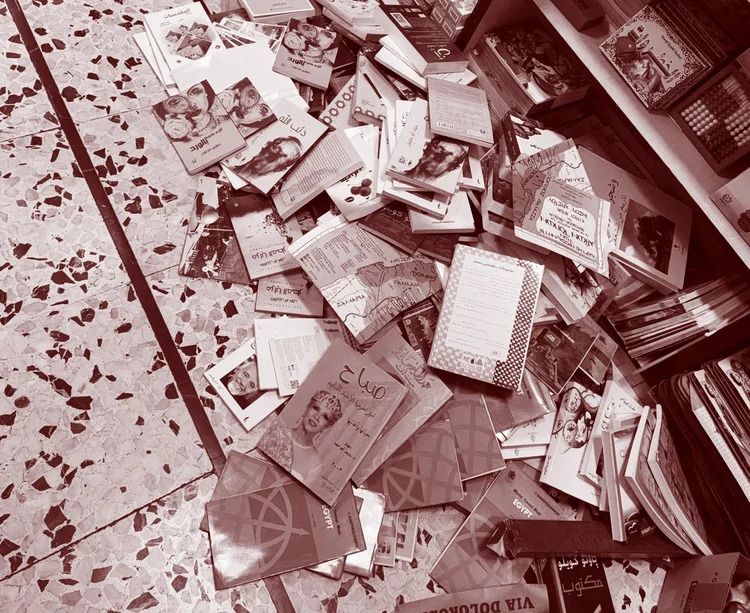
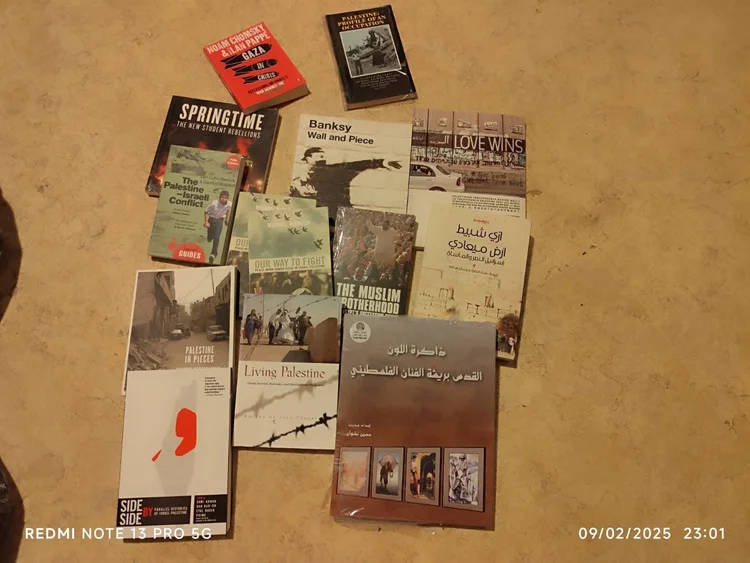
Yesterday, we received highly alarming news from Jerusalem, where two of our key partners, Mahmoud and Ahmed Muna, were arrested. Educational Bookshop, a beloved Jerusalem institution founded in 1984, was raided by Israeli police, who confiscated books, ransacked the store, and detained Mahmoud and Ahmed for the crime of selling books. Here are the books that were confiscated by the occupation forces.
|
|
The court in Jerusalem today extended their detention for another day and ordered five days of house arrest. Here are the booksellers of Jerusalem, Mahmoud and Ahmed Muna, in that court.
|
|
With the Israeli military expanding its war across the West Bank, the raid on Educational Bookshop and the arrest of Mahmoud and Ahmed represents a brazen attack on the cultural and literary life of Palestine. As we wait for more details please read this article Mahmoud wrote for the London Review of Books in November 2023, on the shortsightedness of the western journalists who come to his shop. And please read Daybreak in Gaza, a collection of stories co-edited by Mahmoud, which renders the cultural wealth and vibrant history of the people of Gaza and which we featured as a ‘Book of the Week’ last month.
|
London: Existence as Resistance: An Evening of Palestinian Films, 22 February
|
|
Join Films of Resistance at Palestine House in London on February 22 for Existence as Resistance, a multi-floor exhibition of seven Palestinian films and an art exhibition built around the theme of existence as resistance. With documentary and fiction films chosen for their artistic impact, Existence as Resistance features the following films: Blood Like Water (2023), dir. Dima Hamdan, 2024 Iris Prize winner A Fidai Film (2024), dir. Kamal Aljafari, 2024 Visions du Réel Jury Prize winner 20 Handshakes for Peace (2014), dir. Mahdi Fleifel, 2015 Berlinale Official Selection Trouble in Paradise (2018), dir. Mona Benyamin Soup over Bethlehem (2006), dir. Larissa Sansour When it Stopped Being a War: The Situated Testimony Of Dr. Ghassan Abu-Sittah (2024), Forensic Architecture GAZA.MP4 (2024) dir. Diaa Lagan, Mohhand El-Masri and Fuad Halwani
The event will also feature From Gaza to Jenin, an exhibition of children’s artworks from two regions of Palestine separated by the military, economic and iron wall blockade: Gaza and Jenin refugee camp. The collection of artwork has been produced by children through community art workshops and educational hubs such as Hearts of Gaza, Jenin Creative and Cultural Centre, and the Sumud Resilience Educational Hub. The exhibition also features a short video montage of life in Jenin and sound clips of the most recent bombardments following the announced ceasefire in Gaza. You can purchase tickets here. All proceeds go to supporting Palestinian cinema.
|
London: Short Films Screening for Palestine, 23 February
|
|
On February 23, Close-Up Film Centre is hosting a showcase of powerful short films by Palestinian filmmakers: Palestine 87 by Bilal Alkhatib During the First Intifada, Atef is chased by the Israeli army and finds himself trapped in an entrance of a house. The owner, an old lady, hides him. Atef is surprised that there is another person inside, who helps him not to be arrested. The Deer's Tooth by Saif Hammash Wisam, a young Palestinian from Dheisheh refugee camp in Bethlehem, longs to escape his guilt and isolation after his brother’s death. He spends his days in a state of numbness. When he finds his brother’s last tooth, he remembers a promise to toss it into the sea, a place he is not allowed to go. He decides to honor his brother’s wish, even if it means risking his life. An Orange From Jaffa by Mohammed Almughanni Mohammed, a young Palestinian, is desperately looking for a taxi to take him through an Israeli checkpoint. The driver, Farouk, discovers that Mohammed has already failed to cross the checkpoint. Trouble begins.
You can purchase tickets here. All proceeds will be split between Gaza Soup Kitchen and the filmmakers.
|
The Coin is proof that the diasporic novel can be as chaotic and playful as a romantic comedy while remaining as claustrophobically introspective and deranged as anything by Sheila Heti—and all this, without sacrificing the tragedy and revolutionary possibility that defines minor literature. —Aria Aber
The Coin’s narrator is a wealthy Palestinian woman with impeccable style and meticulous hygiene. And yet the ideal self, the ideal life, remains just out of reach: her inheritance is inaccessible, her homeland exists only in her memory, and her attempt to thrive in America seems doomed from the start. In New York, she strives to put down roots. She teaches at a school for underprivileged boys, where her eccentric methods cross boundaries. She befriends a homeless swindler, and the two participate in an intercontinental scheme reselling Birkin bags. But America is stifling her—her willfulness, her sexuality, her principles. In an attempt to regain control, she becomes preoccupied with purity, cleanliness, and self-image, all while drawing her students into her obsessions. In an unforgettable denouement, her childhood memories converge with her material and existential statelessness, and the narrator unravels spectacularly. In enthralling, sensory prose, The Coin explores nature and civilization, beauty and justice, class and belonging—all while resisting easy moralizing. Provocative, wry, and inviting, The Coin marks the arrival of a major new literary voice. You can find The Coin in our Bookshop (US / UK).
|
Reading RoundupThe Boomerang Comes Back – Noura Erakat argues that Palestine has become a trojan horse for right-wing authoritarianism in the United States and Europe, and that the resurgence of Trumpism is a consequence of the untrammeled imperial project of the United States around the globe. Points of Entry – Mary Turfah visits south Lebanon in the wake of Israel’s invasion and bombardment, meditating on the relationship between broken glass and an unbroken people. The Image of Gaza – Sarah A. Rifky chronicles an exhibition of photos from the first photo studio in Gaza founded in 1944, which operated continuously until the last surviving member of the family behind it was killed by Israel in October 2023. Absent Mothers, The End of Love, and Palestinian Liberation – Layla Faraj interviews Maya Abu al-Hayyat about her work, her life in Jerusalem, and the role of creativity in the struggle for Palestine. Snapshots: I Spoke with 20 People in Gaza after the Ceasefire. My Heart Broke 20 Times – Mohammed Mhawish collects devastating testimonies from ordinary Gazans about how they have experienced the days since the beginning of the ceasefire. Parallel Processes – Hannah Zeavin takes a deep dive into how the protracted Zionist attacks on Lara Sheehi, an academic and psychoanalyst, and the failure of her university and her professional associations to support her, exemplify the degree to which the ‘Palestine exception’ has rotted liberal institutions. Everything Is Destroyed in Gaza. But I Still Feel the Pulse of Life – Lujayn, a fourteen-year-old living in Rafah, shares a dispatch about how she, her family, and her friends are navigating the delicate balance of life after the ceasefire. My Search for Refaat Alareer's Body – Asem Alnabih seeks out Refaat Alareer’s remains in order to bury him alongside his family, lamenting how many more martyrs for whom this dignity will not be possible. Jabaliya Is Now a City of Rubble – Reporting soon after his return to northern Gaza, Abubaker Abed describes how ill-prepared he was for the sheer scale of the destruction wrought by Israel’s bombardment. Translating the Unseen: Gaza’s Sky and Anne Carson’s Vision – Alaa Alqaisi meditates on the experience of translating a text about the sky at a time when Gaza’s skies were filled with drones, fighter jets, and weapons of mass killing: “Does translating the realities of war make them more bearable, or does it simply reshape them into something easier to consume from safer places?”
|
|
PalFest is now on BlueSky! Give us a follow @palfest.bsky.social. Was this email forwarded to you? Sign up to receive it in your inbox.
|
|
|
|