|
Last remaining tickets for Ta-Nehisi Coates in London, Emily Jacir’s ‘Where We Come From,’ and Greening the Nakba with the Strawberry Fields Collective ͏ ͏ ͏ ͏ ͏ ͏ ͏ ͏ ͏ ͏ ͏ ͏ ͏ ͏ ͏ ͏ ͏ ͏ ͏ ͏ ͏ ͏ ͏ ͏ ͏ ͏ ͏ ͏ ͏ ͏ ͏ ͏ ͏ ͏ ͏ ͏ ͏ ͏ ͏ ͏ ͏ ͏ ͏ ͏ ͏ ͏ ͏ ͏ ͏ ͏ ͏ ͏ ͏ ͏ ͏ ͏ ͏ ͏ ͏ ͏ ͏ ͏ ͏ ͏ ͏ ͏ ͏ ͏ ͏ ͏ ͏ ͏ ͏ ͏ ͏ ͏ ͏ ͏ ͏ ͏ ͏ ͏ ͏ ͏ ͏ ͏ ͏ ͏ ͏ ͏ ͏ ͏ ͏ ͏ ͏ ͏ ͏ ͏ ͏ ͏ ͏ ͏ ͏ ͏ ͏ ͏ ͏ ͏ ͏ ͏ ͏ ͏ ͏ ͏ ͏ ͏ ͏ ͏ ͏ ͏ ͏ ͏ ͏ ͏ ͏ ͏ ͏ ͏ ͏ ͏ ͏ ͏ ͏ ͏ ͏ ͏ ͏ ͏ ͏ ͏ ͏ ͏ ͏ ͏ ͏ ͏ ͏ ͏ ͏ ͏ ͏ ͏ ͏ ͏ ͏ ͏ ͏ ͏ ͏ ͏ ͏ ͏ ͏ ͏ ͏ ͏ ͏ ͏ ͏ ͏ ͏ ͏ ͏ ͏ ͏ ͏ ͏ ͏ ͏ ͏ ͏ ͏ ͏ ͏ ͏ ͏ ͏ ͏ ͏ ͏ ͏ ͏ ͏ ͏ ͏ ͏ ͏ ͏ ͏ ͏ ͏ ͏ ͏ ͏ ͏ ͏ ͏ ͏ ͏ ͏ ͏ ͏ ͏ ͏ ͏ ͏ ͏ ͏ ͏ ͏ ͏ ͏ ͏ ͏ ͏ ͏ ͏ ͏ ͏ ͏ ͏ ͏ ͏ ͏ ͏ ͏ ͏ ͏ ͏ ͏ ͏ ͏ ͏ ͏ ͏ ͏ ͏ ͏ ͏ ͏ ͏ ͏ ͏ ͏ ͏
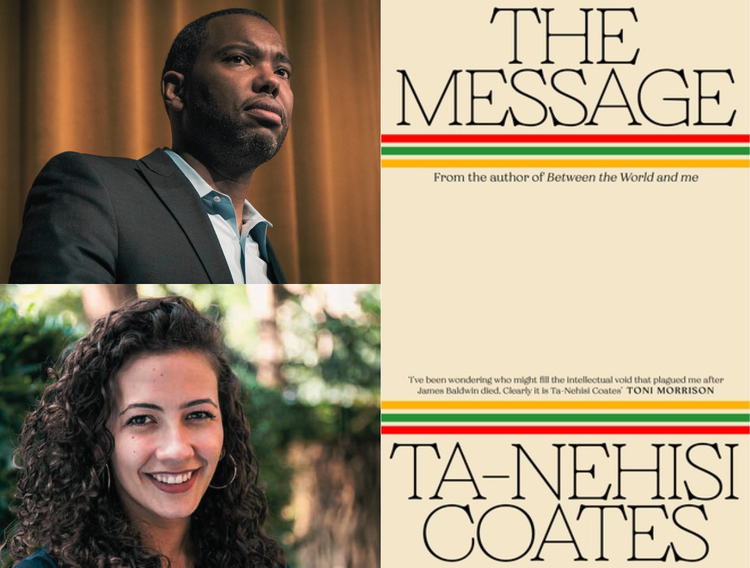
London: Ta-Nehisi Coates with Zena Agha, 3 April
|
|
We are almost sold out of tickets to Ta-Nehisi Coates’ debut event with Zena Agha in London on 3 April, marking the UK publication of his new book The Message. The Message is clear-eyed, honest reportage from one of the most influential American writers on race and politics. It is also a self-reckoning with regards to Palestine. Published in the US last October, the book was an instant best-seller and a media event, catalysing mainstream conversation about Black-Palestinian solidarity as well as US complicity in apartheid and genocide in the lead-up to the presidential elections. Tickets won’t last, so be sure to get yours ASAP.
|
Emily Jacir’s Where We Come From, A Best Artwork of the 21st Century
|
|
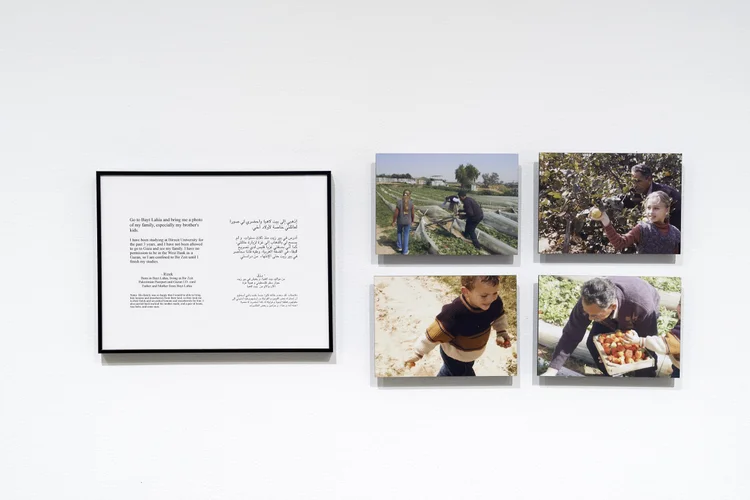
In 2001, Palestinian artist Emily Jacir asked Palestinians unable to enter to Israel, the West Bank, and the Gaza Strip, as well as Palestinians in those three places whose movements are restricted, “If I could do anything for you, anywhere in Palestine, what would it be?” For the next six months, using the freedom of movement afforded by her American passport, she did her best to fulfill their requests, documenting her attempts in text and photos. One man asked her to visit his mother; another asked for a photo of his family (they gave her strawberries and lemons grown on their land to take back to him). A third asked her to pick an orange in Jericho and eat it (this, she was unable to do). The resulting work, Where We Come From, was named this month one of the twenty-first century’s best artworks by ARTnews. Edward Said wrote of the artwork, in the last piece of writing he published before his passing: “[Jacir’s] compositions slip though the nets of bureaucracies and nonnegotiable borders, time and space, in search not of grandiose dreams or clotted fantasies, but rather of humdrum objects and simple gestures like visits, hugs, watering a tree, eating a meal—the kinds of things that maybe all Palestinians will be able to do someday.” You can read the rest of Said’s reflections on Where We Come From here. Emily Jacir is founder and director of Dar Yusuf Nasri Jacir for Art and Research, an arts initiative located in Bethlehem. You can find out more about Dar Jacir here, and keep up with Emily’s work on her Instagram.
|
London: Greening the Nakba, 31 March
|
|
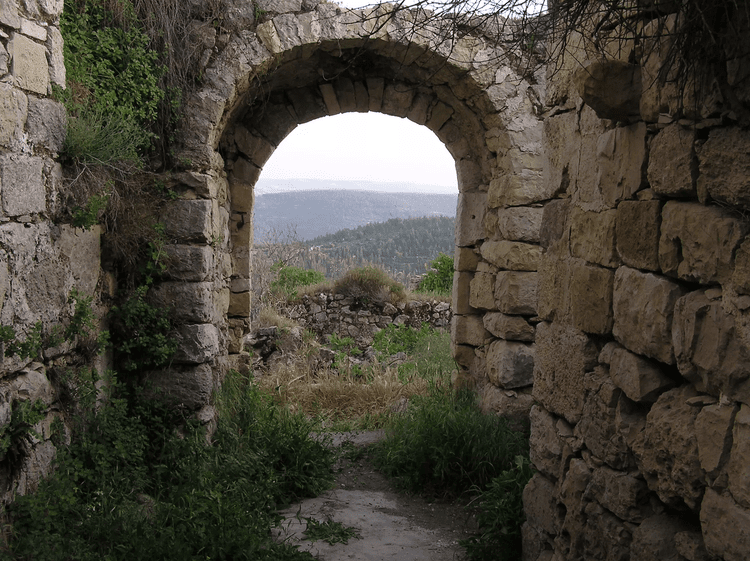
Join the Strawberry Fields Collective in London on 31 March for Greening the Nakba: Greenwashing, Erasure, and Resistance in Palestine, a thought-provoking evening exploring greenwashing as a tool of ethnic cleansing in Palestine—and the farmers resisting it. From forests planted over destroyed Palestinian villages to national parks masking land theft, the Jewish National Fund (JNF) has weaponised environmentalism to erase Palestinian history and heritage. Meanwhile, farmers in the West Bank are fighting back—preserving indigenous trees, protecting their land, and sustaining their communities in the face of occupation. This event features a presentation followed by a conversation between two members of the Strawberry Fields Collective, bringing together different lived experiences with a shared commitment to Palestinian liberation and environmental justice. Together, they will explore the Nakba's ongoing impact, the role of "afforestation" in memoricide, and how West Bank farmers resist through land stewardship, food sovereignty, and indigenous agriculture. For more information, and to reserve your ticket, click here. All proceeds from ticket sales go to the Green Olive Fund.
|
In its vivid close-ups of the diverse and dynamic communities for whom Palestine was home, Naseej offers both a heart-breaking account of what colonists have cost the world, and a hopeful template for the future. This is the book that is Palestine. —Ahdaf Soueif
Naseej, meaning 'tapestry' in Arabic, is a book about diverse forms of life, communities, histories and continuities in Palestine. It compiles essays, short stories, poetry, interviews, and visual art to tell an aspect of the Palestinian story that has not been told: the severing of Palestinians from vast and ancient regional histories. Palestine has always been a precious patchwork of languages, ethnicities, cultures, religions and practices, weaved into the fabric of an Arab and Islamic civilization that was itself a culmination of centuries of interchange and experimentation. Arriving at a moment of utter devastation - one of the most difficult in Palestinian history - this vibrant collection edited by Arpan Roy and Noura Salahaldeen celebrates the diversity of life in Palestine. From the trajectories of Romani groups to the formations of religious communities like Ahmadiyya Muslims in Haifa, to the political experience of Black Palestinians and much more, Naseej asks what kind of threads remain of this tapestry after some 150 years of modernity and colonialism. Naseej officially publishes later this week. You can order it from our Bookshop (US / UK).
|
Reading RoundupResistance and Revolution: On Ghassan Kanafani – Farah-Silvana Kanaan reviews the spate of works by Ghassan Kanafani published in English over the past two years, many appearing for the first time, describing how his revolutionary Marxism articulated visions of national liberation and of anticolonial humanism. Making a Claim on Language: A Conversation with Adania Shibli – Max Weiss interviews Adania Shibli about her writing process, and about how the genocide in Gaza has shattered her illusions about language and her mastery over it. The Abduction of Mahmoud Khalil – Wadie E. Said argues that the detention of Mahmoud Khalil is “a new iteration of an old practice: using a Palestinian to shatter constitutional protections and increase government power,” a practice that first found its footing through Ronald Reagan’s deportation measures. Mahmoud is Not Safe – Nadia Abu El-Haj describes how the administration at Columbia University, in tandem with reactionary Zionists inside and outside the university, are complicit in Mahmoud Khalil’s detention, effectively making it a crime to be Palestinian in the United States. Inside Israel's Brutal Offensive on Jenin – Leila Warah and Wahaj Bani Moufleh report from Jenin, occupied for more than a month now by the Israeli military who have destroyed civil infrastructure, displaced tens of thousands, and killed more than sixty people. Freed Palestinian Teen Recounts Over a Year of Abuse in Israeli Custody – Abubaker Abed interviews a young Gazan about the harrowing torment he experienced in Israeli prison despite never being charged with a crime, and the shock of being released to find that many of his relatives had been killed in the genocide. The Arab Plan for Gaza Has Two Problems: Israel and the PA – Omar H. Rahman argues that the Arab reconstruction plan for Gaza may help lay the groundwork for a renewed and reunited Palestinian national movement that can circumnavigate the Palestinian Authority and its collusion with the occupation. In Praise of What is No Longer Ours – In the first of two pieces written to celebrate Mahmoud Darwish’s birthday last week, Alaa Alqaisi shares a poem that responds to his poem “In Praise of the High Shadow”: “You walked exile like a river, / But here, exile is the stillness of a land / That has forgotten its own name.” To the Poet Who Knew the Storm Would Return – In the second of her two pieces written to celebrate Mahmoud Darwish’s birthday, Alaa Alqaisi delivers a letter to Darwish from Gaza: “The war is over, they say. But tell me, what is war, if not exile in another form? And what is exile, if not the long road home?” Enter Silence, Enter Weapons Factories, and Enter Military Songs – A trilogy of new poems by Dalia Taha, translated by Sara Elkamel: “O silence, we have not built these graves: They are your tongues of stone.”
|
|
PalFest is now on BlueSky! Give us a follow @palfest.bsky.social. Was this email forwarded to you? Sign up to receive it in your inbox.
|
|
|
|